Homeowner's Guide to Septic System Upkeep: Essentials from Bleeker Waste Water Mar 02, 2026
Understanding how your septic system works is crucial for effective maintenance. At its core, a septic system is a simple, on-site sewage facility used in locations that aren't connected to a public sewer system. Comprising a septic tank and a drain field, this system relies on natural processes to break down waste. Regular inspection and pumping are vital to prevent breakdowns or overflows. Typically, we recommend scheduling an inspection every three years and pumping every three to five years, depending on usage.
One of the most effective ways to maintain your septic system is to monitor water usage. Excessive water entering the system can lead to overload, causing untreated sewage to flow into the drain field. Simple adjustments, like fixing leaking taps, installing low-flow showerheads, and spreading out laundry loads, can significantly reduce water usage and ease the burden on your septic system.
What goes down your drain is just as important as water conservation. Household chemicals, non-biodegradable items, grease, and oils can all wreak havoc on your septic system. These substances can kill beneficial bacteria that break down waste, leading to clogs and even system failure. It's also wise to avoid using the toilet as a trash can; items like sanitary products, wipes, and even certain types of toilet paper can cause blockages and should be disposed of in the trash.
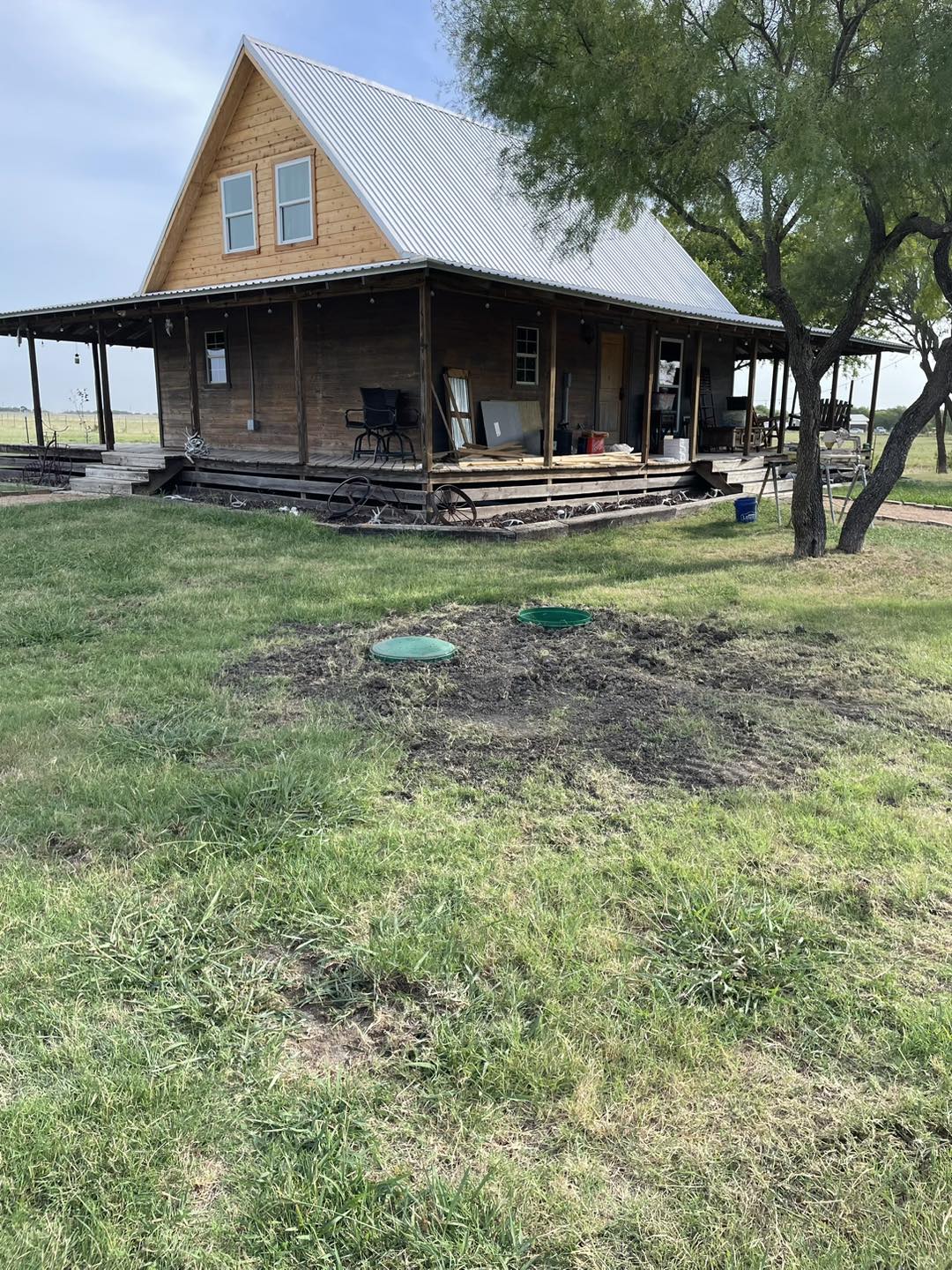
Maintaining a healthy septic tank requires more than just being mindful of what enters it. The area around your septic system also needs care. Avoid parking vehicles or placing heavy objects atop your septic tank or drain field, as the weight can compact the soil and damage the system. Additionally, keep trees and shrubs away from your septic setup. Roots can invade and damage the pipes, leading to costly repairs.
Bleeker Waste Water also advises regular professional check-ups. While there are many tasks you can handle on your own, a professional can conduct a thorough inspection, ensuring potential issues are caught early. A trained technician can assess the scum and sludge levels, inspect for leaks, and confirm that the bacteria balance is optimal. These steps can identify minor problems before they escalate, saving you money and stress in the long run.
In conclusion, by understanding and maintaining your septic system, you ensure its efficiency and longevity. Monitor water usage, be cautious about what goes down your drains, protect the physical environment of your septic system, and schedule regular professional inspections. By following these guidelines, you'll enjoy a trouble-free septic system, allowing you to focus more on living and less on plumbing.
At Bleeker Waste Water, we're committed to helping homeowners with all their septic system needs. Whether you're seeking advice, maintenance, or emergency services, our team of experts is ready to assist you. Maintain your septic system today to prevent larger headaches in the future. Contact us for more information or to schedule your next service. Your home's health is our priority.
/filters:no_upscale()/filters:format(webp)/media/69a292ab-0f40-4bfd-a8d4-62520e7b9047.jpeg)