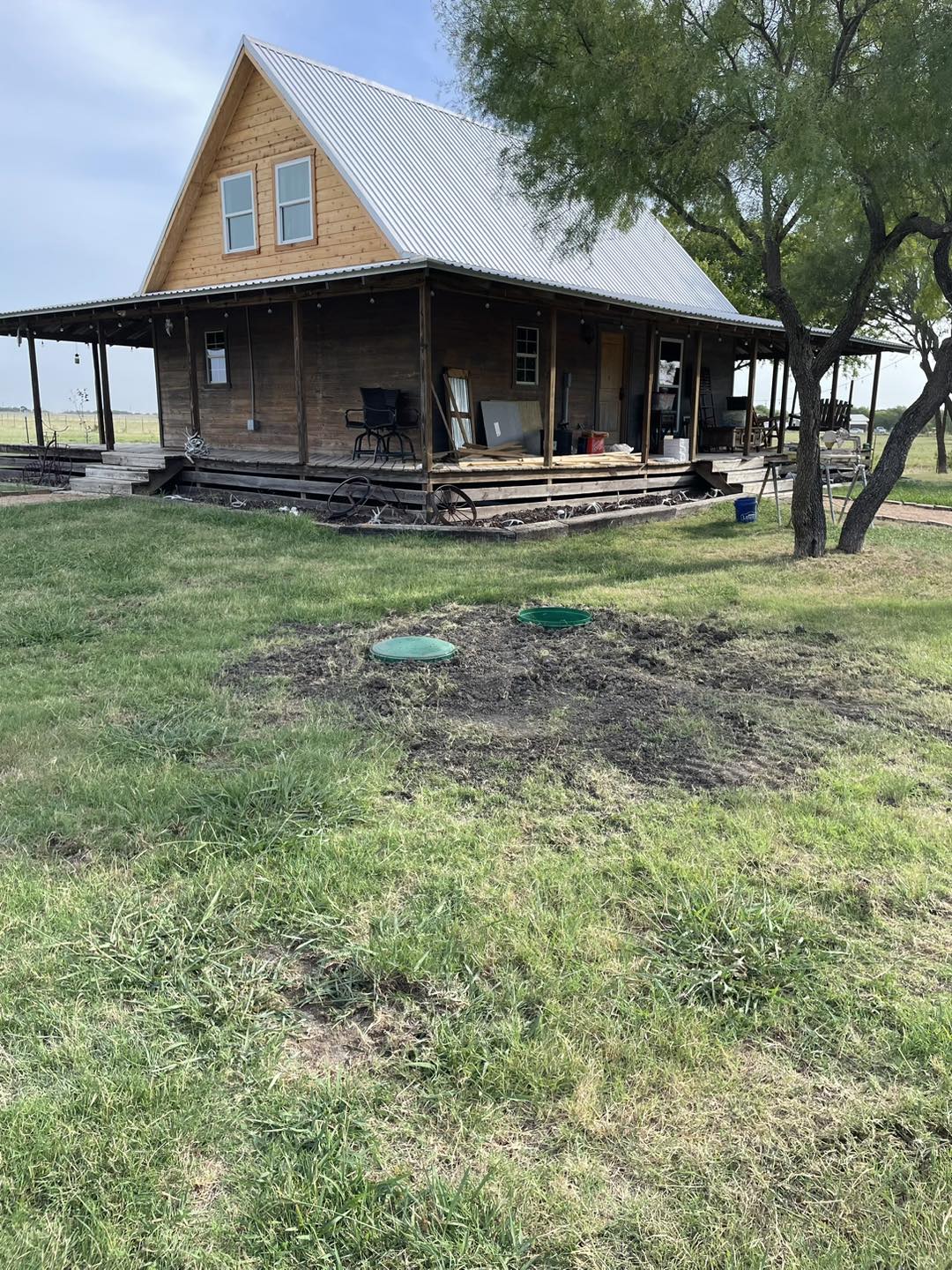
Septic System Drainage Solutions: Expert Advice from Bleeker Waste Water Feb 12, 2026
A properly designed and maintained septic system is key to preventing wastewater from contaminating your property or the environment. Understanding the basics of your septic system's drainage process is vital. Typically, a septic system includes a tank, drainfield, and soil absorption area. Wastewater from your home flows into the septic tank, where solids settle at the bottom, and fats or oils float on the surface. The remaining liquid, or effluent, flows into a drainfield where it is naturally filtered by the soil.
One of the most common issues homeowners encounter is septic system overload, leading to slow drainage or backups. To prevent such problems, regularly schedule maintenance checks and have your septic tank pumped every three to five years, depending on its size and your household usage. Bleeker Waste Water recommends routine inspections to identify and fix problems before they escalate.
Another critical aspect of septic system drainage is the health of your drainfield. Protecting this area is necessary to avoid saturation and system failure. To maintain it, ensure that no heavy objects or vehicles are parked on the drainfield, which can compact the soil. Additionally, avoid planting deep-rooted trees nearby as their roots can infiltrate and damage the system. Moreover, divert rainwater runoff from your roof and driveway away from the drainfield to prevent flooding.
Proper waste disposal practices also significantly impact septic system efficiency. Avoid flushing non-biodegradable items down your toilet, such as wipes, diapers, or feminine hygiene products, as they can block the system. Even common kitchen waste like grease, coffee grounds, and food scraps should be disposed of in the trash rather than down the drain. Opting for eco-friendly household cleaners and detergents can help preserve the beneficial bacteria in your septic tank, crucial for breaking down organic matter.
In some cases, septic system issues may arise due to poor installation or inadequate design. Bleeker Waste Water's team of experts can assess your system and suggest necessary modifications to enhance performance. This might include upgrading the tank size, redesigning the drainfield, or implementing advanced treatment systems for more effective wastewater management.
If your home has a garbage disposal, its usage can contribute to the volume of solids entering your septic tank, increasing the frequency of necessary pumping. Consider composting food waste to reduce this burden on your system.
To conclude, maintaining a healthy septic system begins with understanding its components and ensuring that each part functions correctly. Regular maintenance, mindful water usage, and appropriate waste disposal are practices that safeguard the longevity and efficiency of your septic system. Should you encounter any challenges, Bleeker Waste Water is here to provide professional advice and solutions tailored to your unique needs. By taking proactive steps, you can avoid unexpected costs and protect the environment from potential harm associated with septic system failures. Trusting Bleeker Waste Water ensures peace of mind when it comes to your home's wastewater management.
/filters:no_upscale()/filters:format(webp)/media/69a292ab-0f40-4bfd-a8d4-62520e7b9047.jpeg)