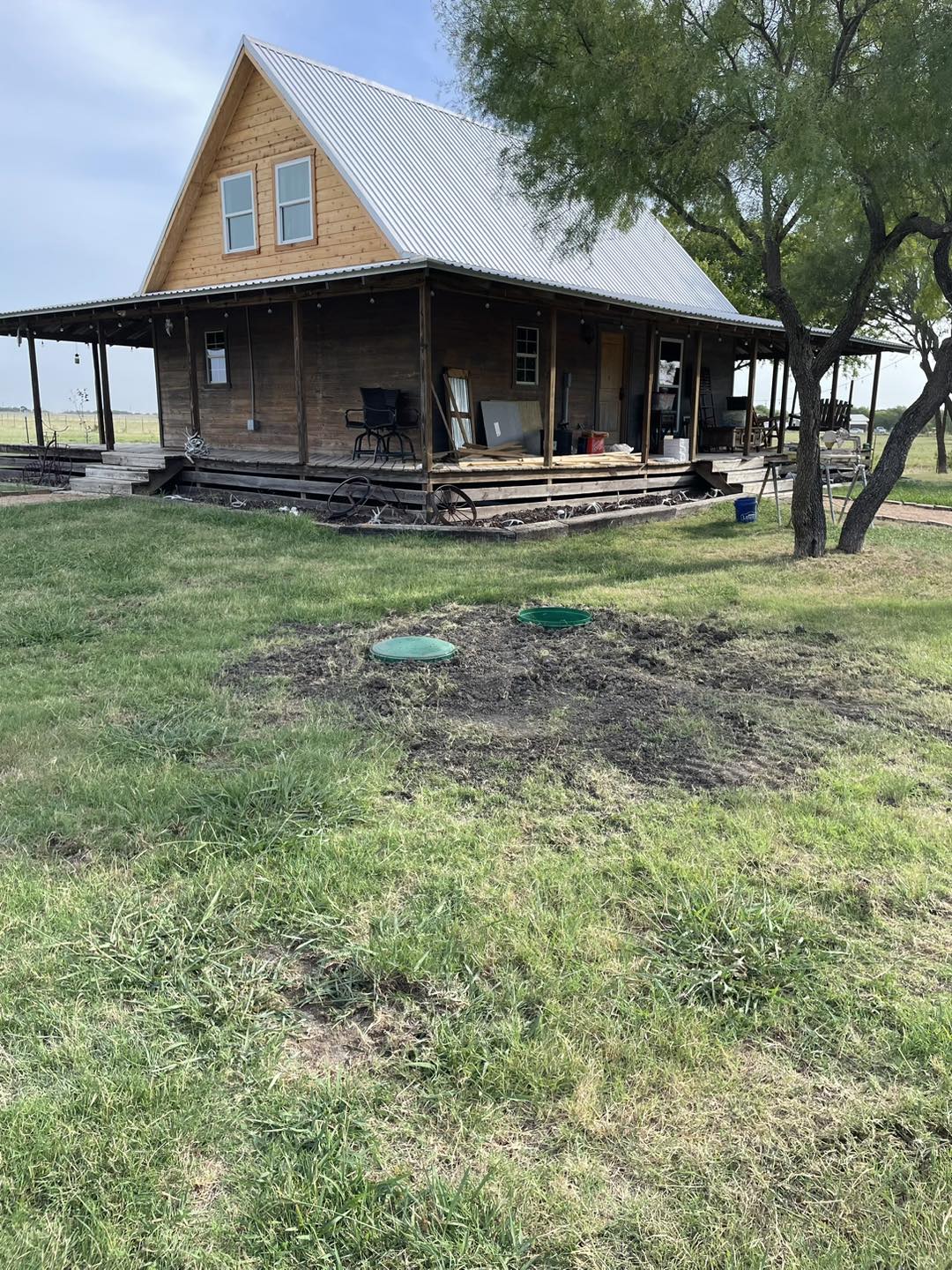
The Ultimate Guide to Septic System Maintenance with Bleeker Waste Water Nov 15, 2025
Firstly, it's crucial to understand the basic workings of your septic system. A typical system includes a septic tank and a drainfield, which work together to treat wastewater from your home. The septic tank holds and breaks down solid waste, while the drainfield allows the treated wastewater to seep into the ground naturally. Regular maintenance of these components can prevent system failures that could lead to unpleasant smells or backups.
Regular inspection and pumping of the septic tank are fundamental to maintaining an efficient system. Industry experts, such as Bleeker Waste Water, recommend having your septic tank inspected every one to three years, with pumping required every three to five years depending on the usage and size of the household. During an inspection, a professional will check for leaks or signs of system failure and assess the sludge and scum levels within the tank. Regular pumping helps to remove the buildup of these materials, which, if left unchecked, could overflow into the drainfield and cause blockages.
Water conservation plays a pivotal role in septic system health. Excessive water use can overload the system, leading to less effective wastewater treatment. To avoid this, be mindful of your water usage and repair any leaking faucets or toilets promptly. Installing energy-efficient appliances and fixtures can also contribute significantly to water conservation efforts.
Mindful disposal practices can save you from a host of septic system issues. Avoid flushing non-biodegradable items down the toilet, such as wipes, diapers, or sanitary products, as these can clog the system. Similarly, keep fats, oils, and non-biodegradable waste out of your sinks, as they can form blockages in your drainpipes and drainfield.
The area around the septic system should not be overlooked. Ensure the drainfield is never covered with concrete, asphalt, or heavy objects, which can compact the soil and disrupt proper drainage. Landscaping near your septic system should be minimal and involve plants with shallow root systems that won't interfere with the tank or drainfield. Bleeker Waste Water also advises keeping any tree or shrubbery far from your system to avoid root intrusion, which is a common cause of septic system damage.
For those considering septic system additives, it is important to approach with caution. While some products claim to improve bacterial action within the tank, they are often unnecessary and sometimes harmful. Natural processes typically manage the bacteria balance within a well-functioning system without the need for additives.
In conclusion, maintaining your septic system is an ongoing process that requires attention to inspections, mindful water and waste practices, and careful landscaping. Bleeker Waste Water is here to assist you with professional advice and services tailored to your specific needs. Following these guidelines not only protects your property but also promotes environmental health and safety. With proper care and maintenance, your septic system can provide effective wastewater treatment for many years.
/filters:no_upscale()/filters:format(webp)/media/69a292ab-0f40-4bfd-a8d4-62520e7b9047.jpeg)