Understanding Septic System Components: A Guide by Bleeker Waste Water Jan 12, 2026
To kick things off, let's explore what a septic system is. A septic system is an underground wastewater treatment structure typically used in rural areas without centralized sewer systems. It combines nature with time-tested technology to treat household wastewater from bathrooms, kitchen drains, and laundry.
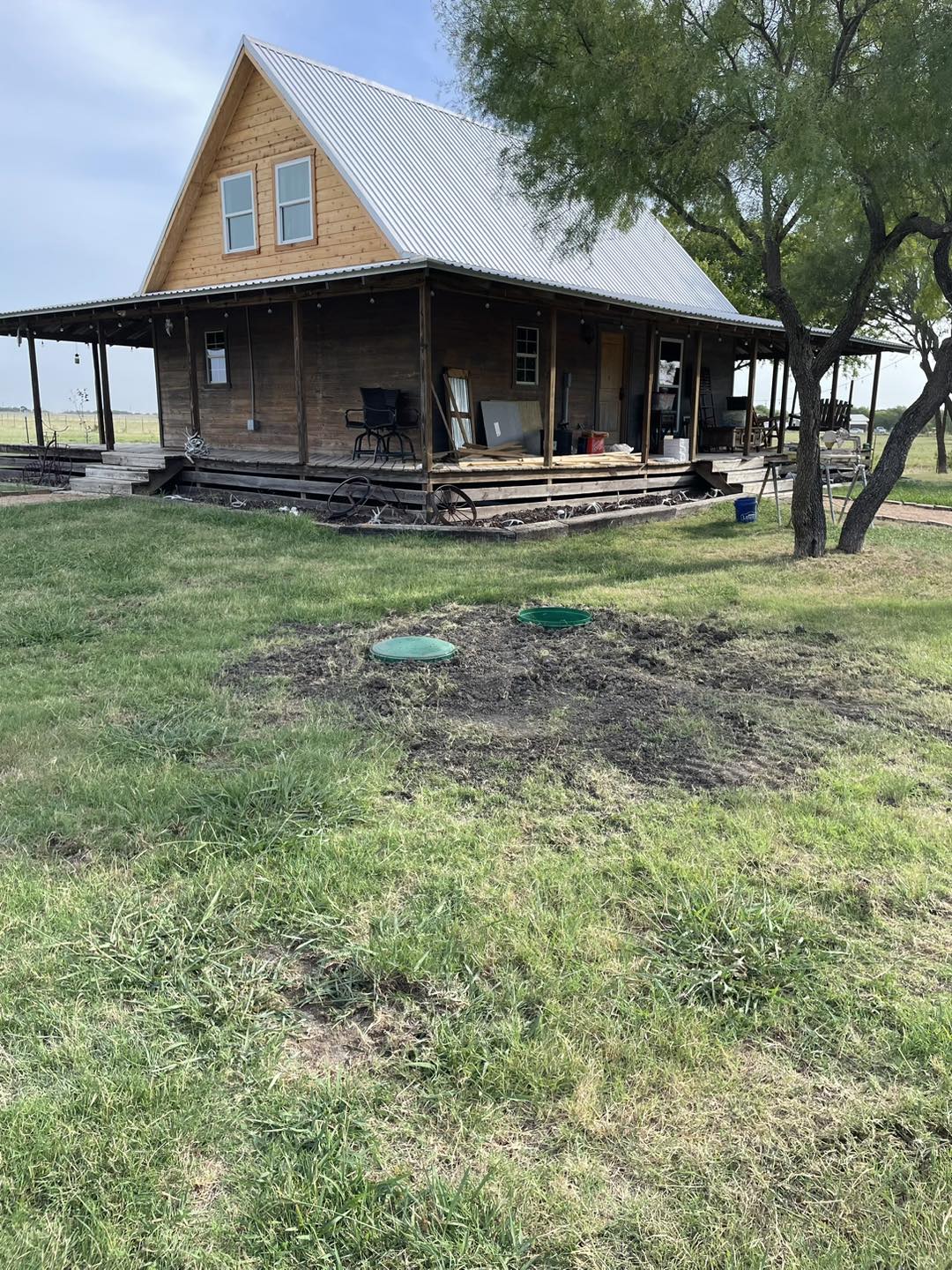
The heart of any septic system is the septic tank. This airtight container is usually situated underground, constructed from concrete, fiberglass, or polyethylene. Its primary function is to hold wastewater long enough to allow solids to settle down, forming sludge, while oils and grease float to the surface as scum. Bacteria in the septic tank break down the solid waste, reducing its volume. Regular pumping of the septic tank is crucial to remove sludge and scum and prevent overflow, which can lead to system failure.
Following the septic tank is the distribution box. This often-overlooked component plays a key role in evenly distributing the effluent, or liquid wastewater, to the drain field. By doing so, it ensures that the system functions efficiently and the drain field is not overburdened. If the distribution box becomes clogged or misaligned, it can lead to uneven distribution and cause sections of the drain field to fail.
The drain field, also known as the leach field or absorption field, is essential for treating the wastewater that comes from your home. It consists of a network of perforated pipes laid in gravel-filled trenches. As the wastewater flows through these pipes, it is filtered by the gravel and naturally occurring microbes in the soil. This process cleans the water before it percolates down into the groundwater system. Proper maintenance of the drain field is key to preventing environmental contamination and extending the life of your septic system.
Moreover, the soil around your drain field is more than just dirt. It acts as the final stage of treatment for the effluent. Good soil facilitates the growth of bacteria that consume harmful pathogens within the wastewater. It's vital to protect this natural filter by avoiding excess water usage and preventing heavy objects from compressing the soil, which can reduce its ability to treat wastewater.
Understanding these components can help homeowners make informed decisions about their septic systems. It's also advisable to have regular professional inspections and maintenance. At Bleeker Waste Water, we provide expert septic services to ensure your system runs smoothly and efficiently.
In conclusion, a properly functioning septic system is crucial to a healthy home and environment. By understanding and caring for each component of your septic system, from the septic tank to the distribution box, and the drain field, you can save on costly repairs and protect the surrounding ecosystem. For expert advice or service, trust Bleeker Waste Water to handle all your septic needs. Our professionalism and expertise ensure that your septic system will continue to work effectively for years to come.
/filters:no_upscale()/filters:format(webp)/media/69a292ab-0f40-4bfd-a8d4-62520e7b9047.jpeg)