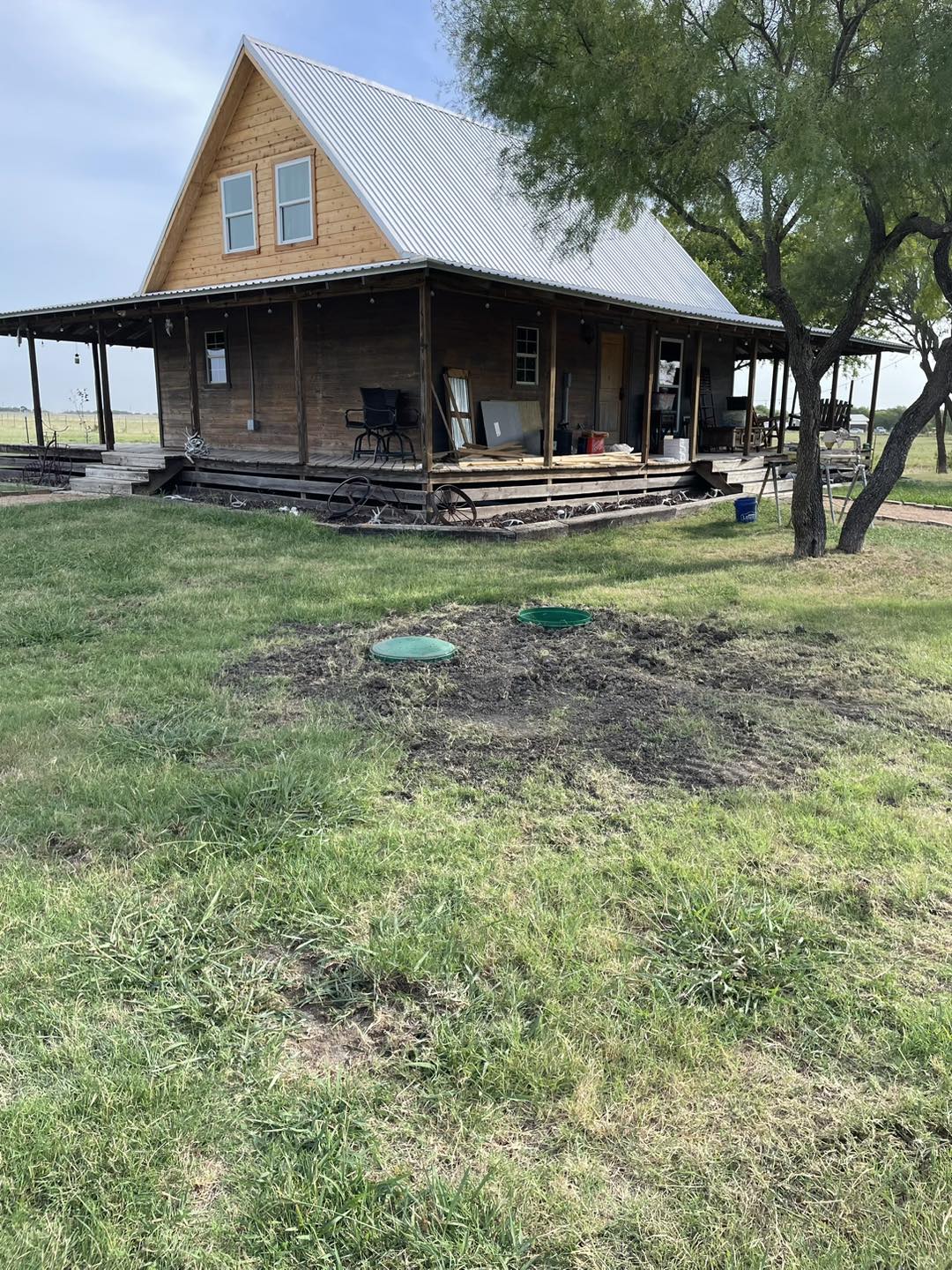
Understanding the Septic System Lifespan: Insights from Bleeker Waste Water Nov 08, 2025
Septic systems are an essential component of homes that are not connected to a municipal sewage line. They perform the vital task of treating household wastewater right in your backyard. Like any other part of your home, septic systems have a finite lifespan depending on several factors. Generally speaking, a well-maintained septic system can last from 20 to 40 years, though this can vary depending on usage, maintenance, and environmental conditions.
One of the most significant factors affecting a septic system's lifespan is the frequency and quality of maintenance. Regular pumping and inspection are fundamental to keeping your system in good working order. At Bleeker Waste Water, we recommend scheduling a professional inspection every three to five years. If the tank fills up too quickly or isn't pumped out regularly, it can lead to overflow and potential damage, significantly reducing the system's lifespan.
The design and materials used in constructing a septic system also play a crucial role. Systems made of high-quality materials and those that are designed considering the size of the household and local environmental conditions generally last longer. For instance, a properly sized system will handle waste efficiently without overburdening components, thus extending the system's operational period.
Additionally, the location of your septic system can influence its longevity. Systems situated in areas rich in vegetation can suffer problems due to root intrusion. Roots can breach septic tanks and pipes, leading to blockages or leaks, which may result in costly repairs. Creating a root-free zone around your septic system can help prevent these issues. Moreover, ensure proper drainage to avoid waterlogging, which can also compromise your system's effectiveness.
Homeowners play a pivotal role in extending the septic system's lifespan through mindful usage. Avoid flushing non-biodegradable items such as wipes or sanitary products, and be cautious with harsh chemicals that might disrupt the biological processes within your septic tank. Conserve water where possible to reduce the strain on your system. Simple habits like fixing leaky faucets and using water-efficient fixtures can make a big difference over time.
Education is another key component. At Bleeker Waste Water, we encourage property owners to learn as much as possible about their systems. Understanding the signs of potential issues, such as slow drainage or unusual odors, can alert you to problems before they become serious.
In conclusion, the longevity of your septic system is influenced by various factors such as maintenance practices, system design, location, and usage habits. By implementing best practices and seeking expert advice, you can maximize the lifespan of your septic system, safeguarding your investment and ensuring it serves your family's needs. At Bleeker Waste Water, we are committed to helping you achieve just that. For more tailored guidance, reach out to our team, who can provide professional advice and services to keep your system running efficiently for years to come.
/filters:no_upscale()/filters:format(webp)/media/69a292ab-0f40-4bfd-a8d4-62520e7b9047.jpeg)